
The Discipline Trap
Discipline is respected so quickly that people stop questioning it.
The moment someone shows consistency, effort, and control, they get labeled as serious. Reliable. Strong. In companies, disciplined people earn trust faster. In personal growth, discipline gets treated like the foundation of success. It becomes the default answer to almost everything.
Work harder. Stay consistent. Be disciplined.
It sounds solid.
It also hides something most people never stop to examine.
What is that discipline actually building?
That question changes everything because discipline, on its own, proves nothing about whether something is right. It only proves that something is being repeated. Time, energy, and attention are being directed somewhere with consistency. That direction might be powerful, or it might be completely off.
Discipline does not decide that.
It amplifies whatever is already there.
Discipline Only Works When Direction Is Right
When the direction is right, discipline becomes a multiplier. It sharpens results, builds momentum, and turns effort into progress that compounds over time. The same consistency that looks simple from the outside starts producing real movement because everything underneath it makes sense.
When the direction is wrong, discipline does the exact same thing.
It multiplies the mistake.

It keeps the wrong path alive longer than it should exist. It adds structure to something that should have been questioned. It gives stability to something that is already drifting.
That is where the trap begins.
People stay loyal to routines that once worked but no longer fit. They keep following structures, goals, and ways of working that now create more friction than movement. A person can remain committed to a lifestyle or career path that no longer reflects who they are. A team can keep repeating the same process because it feels organised, even though that process is slowing decisions and making work heavier. A business can keep investing in a strategy long after the first signs of misalignment have appeared, simply because too much has already been poured into it.
From the outside, this looks admirable.
From the inside, it starts feeling heavy.
And that gap is where discipline becomes dangerous.
When Repetition Starts Looking Like Progress
Discipline gets overvalued because it has a clean image. Effort feels respectable. Repetition feels stable. Consistency gives people something solid to point to. Once a pattern becomes regular, it starts carrying its own legitimacy.
People assume that staying committed means they are still on the right path.
They stop checking direction because the effort itself becomes convincing.
That is where things quietly go wrong.
Repeating something does not make it valuable. Staying loyal to a process does not mean that process still deserves loyalty. A routine can look strong while producing very little of real value. It can feel structured while slowly pulling someone further away from what actually matters.
This happens everywhere.
A person wakes up early, follows their routine perfectly, and still feels stuck without understanding why. A team runs meeting after meeting with discipline, yet decisions keep getting delayed. A company tracks every metric with precision while the actual direction becomes less clear over time.
Everything looks active.
Nothing moves forward.
That is one of the hardest truths to accept.
Activity can hide stagnation extremely well.
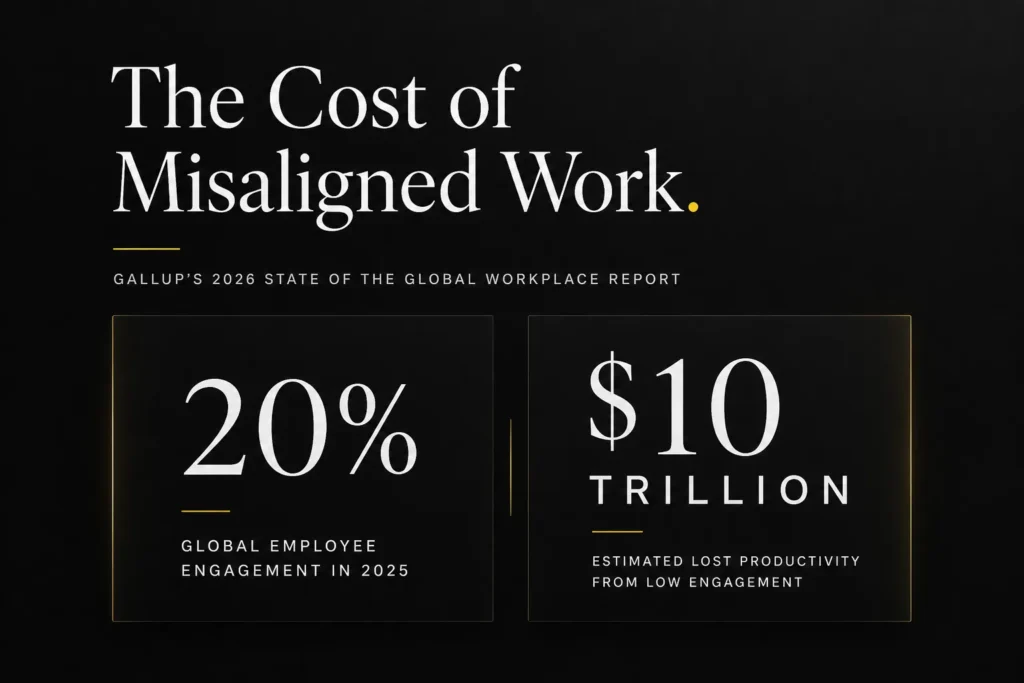
When Loyalty to a System Becomes the Problem
At a certain point, discipline stops being a tool and starts becoming protection.
People do not like admitting that they invested months or years into something that no longer works. Teams do not want to face that the process they built is now part of the slowdown. Leaders do not want to say that the strategy they pushed with confidence is now creating drag.
So instead of checking direction honestly, they protect the effort.
They tell themselves they need more time, more consistency, more patience, more pressure. Sometimes that is true. Some things do take time to mature. Some results require patience before they become visible.
The problem is that these ideas are often used to avoid something much simpler.
The path stopped making sense.
And continuing it feels easier than admitting it.
This is where discipline becomes misleading. It starts giving people a sense of control while they avoid a necessary decision. They keep working because working feels noble. They keep pushing because pushing feels strong. They keep staying committed because commitment protects them from having to face that the direction itself may be wrong.
This is the uncomfortable part.
Some people are not stuck because they lack discipline.
They are stuck because their discipline is aimed in the wrong direction.
How High Performers Get Trapped by Their Own Consistency
The longer a pattern continues, the harder it becomes to question it.
Familiarity changes perception. What once felt off starts feeling normal. Friction gets absorbed into the routine. Exhaustion becomes part of the identity. Low returns get explained away. Confusion gets tolerated.
People stop reading these signals as warnings.
They start treating them as the cost of being serious.
That shift creates damage quietly because normal does not always mean right. Familiar does not always mean aligned. Many people who look disciplined from the outside are not moving forward in any meaningful way. They are becoming more efficient at repeating something that should have been questioned earlier.
The discipline is real.
The direction is not.
The deeper cost shows up in judgment. When someone stays in the wrong pattern for too long, they lose sensitivity to the signals that should guide change. They become more tolerant of friction, more accepting of low return, and more willing to confuse endurance with intelligence.
That is a dangerous shift because it replaces awareness with stubbornness.
Breaking the Cycle: Interrupting Before Redirecting
Real alignment starts from a different place.
It does not begin by asking whether someone is disciplined enough. It begins by asking what that discipline is serving.
Is it building something that still makes sense?
Is it strengthening a routine that still deserves to exist?
Is it creating clearer decisions, stronger movement, and real progress?
Or is it keeping an old pattern running because nobody wants to interrupt it?
These questions are uncomfortable because they force honesty.
There comes a point where increasing discipline is no longer the intelligent move. A cleaner evaluation is. A more direct decision is. A willingness to admit that repetition has been covering the real problem is.
That kind of interruption gets misunderstood. People confuse it with inconsistency or weakness. In reality, it requires more awareness to question a path you have invested in than to keep following it without thinking.
Discipline deserves respect when it is connected to something real.
When it is used to protect something that should be challenged, it becomes a trap.

A routine can look strong and still be wrong. A process can be repeated for years and still need to be broken. A person can be deeply disciplined and still be building a life that no longer fits. A team can stay committed while becoming less effective. A company can keep moving while quietly drifting away from what actually works.
FAQs
What is the discipline trap?
The discipline trap happens when consistent effort is poured into a direction that no longer makes sense. The discipline makes it harder to stop because stopping starts to feel like failure, when it may actually be the first honest move.
Can too much discipline keep you stuck?
Yes. Discipline keeps you stuck when it is aimed at the wrong thing. The more consistent you become with a misaligned path, the harder it becomes to see that the path itself needs to change.
Once you see the trap, discipline stops looking like the answer to everything.
It becomes a question: what is this consistency actually serving?
Because effort only becomes powerful when it is aimed at something that still makes sense. If you are ready to stop repeating what looks productive and start questioning what is actually driving your direction, start with The BreakAlign Method.